
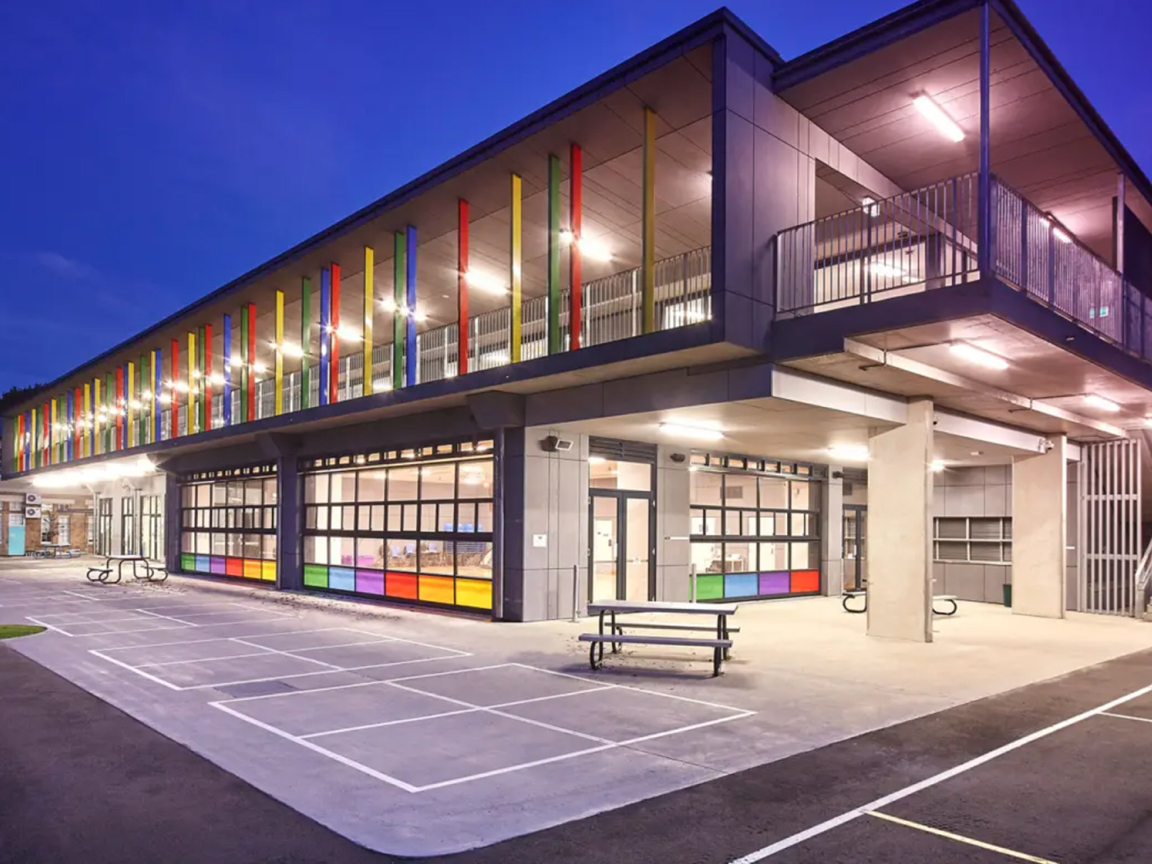
We know great school facilities help deliver great results for students. Research shows a strong connection between the quality of classrooms and facilities at a school and the attendance, behaviour and academic achievements of its students. School infrastructure also affects a school’s capacity to attract and retain teachers and how effective those teachers can be in the classroom.
But government investment in new and upgraded public schools hasn’t kept pace with demand. Too often, temporary solutions like demountable classrooms have become permanent fixtures. Teachers cannot effectively prepare students for the future in classrooms and facilities built for the past.
Student needs are changing – and growing. Schools are educating an increasingly diverse student population, with growing numbers of students with disability, mental health needs and additional learning requirements. At the same time, new expectations are being placed on schools to deliver wraparound services, support student wellbeing, and prepare every child for a rapidly changing world.

Sharan Burrow
Sharan Burrow AC is one of Australia’s most respected union leaders, with more than 35 years of experience in local, state, national and international trade unionism.
Sharan began her career as a high school teacher in rural New South Wales after studying teaching at the University of New South Wales. She became an organiser for the NSW Teachers’ Federation and was elected Senior Vice-President before becoming President of the Australian Education Union (AEU) in 1992. She represented the AEU on the ACTU Executive throughout the 1990s and served as Vice-President of Education International, the global federation of education unions representing 24 million members, from 1995 to 2000.
In 2000, Sharan became the second woman elected President of the Australian Council of Trade Unions (ACTU), a position she held for a decade. In 2010, she was elected General Secretary of the International Trade Union Confederation (ITUC), representing 175 million workers across more than 160 countries, the first woman to hold the role. She served as ITUC General Secretary until 2022.
Throughout her career, Sharan has been a powerful advocate for workers’ rights, gender equality, climate justice and quality public education. She brings to this inquiry an unparalleled understanding of both the Australian education system and the global challenges shaping the future of learning.
“As a former teacher, I know that where children learn shapes how well they learn. This inquiry is about ensuring every public school in Australia has the facilities to match the quality of teaching happening inside them.”
Maurie Mulheron
Maurie Mulheron is a lifelong public education advocate with 34 years of experience as a classroom teacher and principal in public high schools across rural, regional and metropolitan New South Wales.
Maurie began his teaching career in 1978 in the outer south-western suburbs of Sydney before teaching at schools across NSW, including a decade as Principal of Keira High School in the regional city of Wollongong. Throughout his career, he was an active member of the NSW Teachers’ Federation, for which he was awarded Life Membership.
From 2012 to 2020, Maurie served as President of the NSW Teachers’ Federation, and concurrently held the position of Deputy Federal President of the Australian Education Union from 2015 to 2020, for which he was also awarded Life Membership. He represented public school teachers on the NSW Education Standards Authority’s Quality Teaching Council and was a member of the University of Sydney’s Teacher Education Advisory Board.
Maurie represented the AEU at international forums including Education International’s Global Response Network, which coordinated efforts to counter the commercialisation and privatisation of education. In 2021, he was appointed Director of the Centre for Public Education Research.
A passionate advocate for equitable funding and quality teaching, Maurie brings to this inquiry a deep understanding of the day-to-day realities facing teachers, principals and students in public schools across Australia.
“Public schools are the foundation of our democracy. But teachers cannot deliver twenty-first century learning in classrooms built for the last century. This inquiry will lay out what’s needed to fix that.”

There is no national plan, no dedicated national funding stream, and no coordinated effort to ensure every community has a future-ready public school. We need a long-term, nation-building approach to public school infrastructure – not piecemeal fixes.
This inquiry will examine the current state of public school infrastructure across all states and territories, assess what’s needed for the future, and recommend the policy and funding reforms required to ensure safe, inclusive and future-ready learning environments for every child.
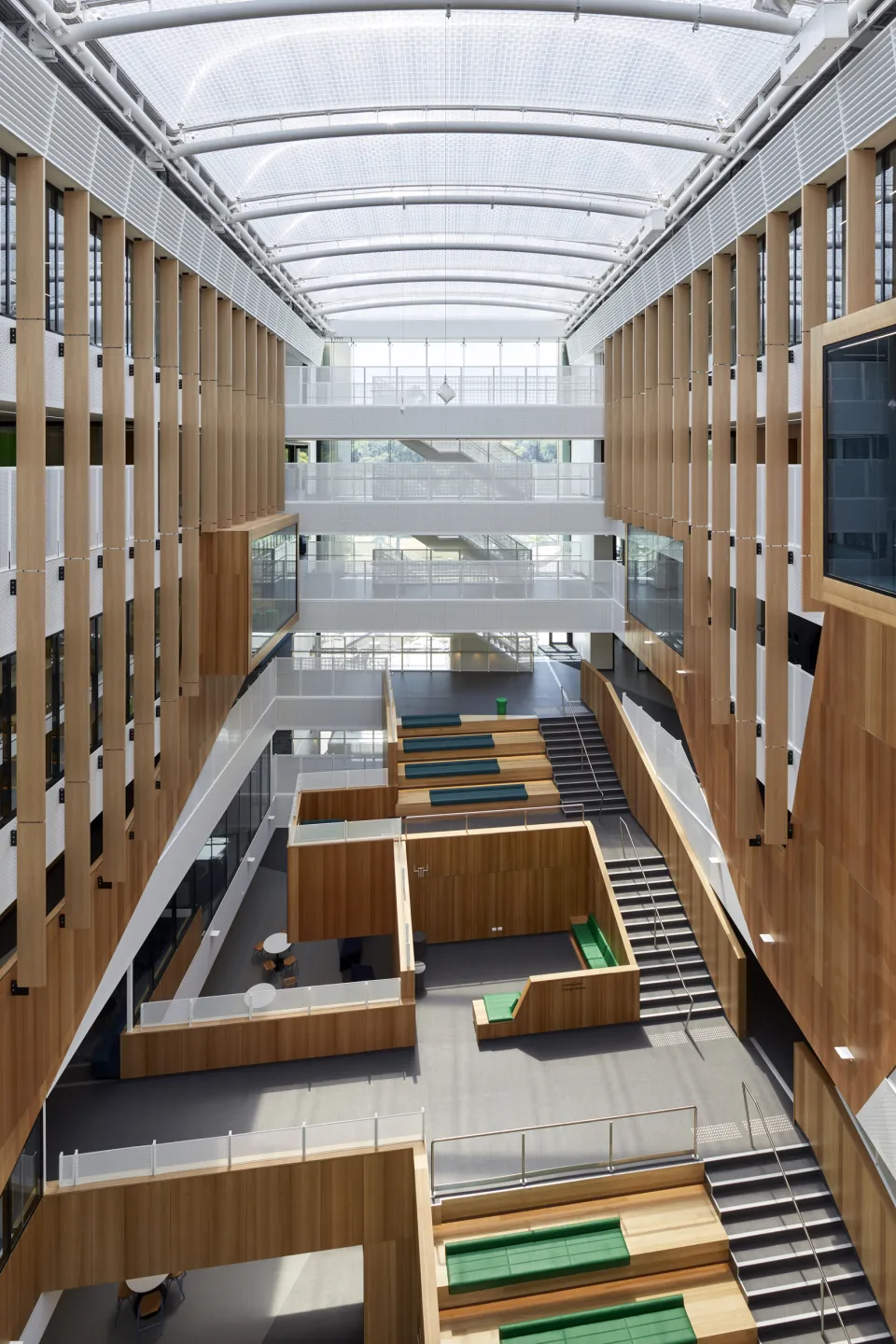
The inquiry’s formal Terms of Reference set out its purpose and scope across six key areas:
1. Purpose
To examine the current state of public school infrastructure across all jurisdictions, assess future needs in light of demographic, technological and pedagogical trends, and recommend policy and funding reforms to ensure safe, inclusive and future-ready learning environments for every child.
2. The Importance of Infrastructure
The inquiry will consider Australian and international evidence on the relationship between school infrastructure and student outcomes including academic achievement, attendance, engagement, motivation, behaviour and wellbeing. It will also examine the impact on principal, teacher and staff effectiveness, motivation, wellbeing, job satisfaction, retention and career intentions.
3. The Condition and Safety of Public School Facilities
The inquiry will examine the physical condition and adequacy of classrooms, amenities, facilities and digital infrastructure in public schools, including whether current facilities support modern teaching and learning, a full range of academic and vocational pathways, student wellbeing, inclusion and belonging. It will assess whether schools meet sustainability, safety, accessibility and compliance standards and are adequately maintained.
4. Future Needs
The inquiry will consider projected enrolment growth, demographic trends, the future infrastructure requirements to meet complex and diverse student needs, the integration of technology into teaching and learning, and climate resilience and sustainability requirements.
5. Equity and Inclusion
The inquiry will examine school infrastructure gaps in low-SES, regional, remote, Aboriginal and Torres Strait Islander communities. It will consider capital investments that would help schools improve the education and support of students with additional needs, increase family and community engagement, and ensure public schools are inclusive and culturally safe.
6. Funding
The inquiry will examine current and projected capital expenditure by state, territory and Commonwealth governments, the long-term investment strategies required, and the educational, economic and social benefits of increased investment in public school infrastructure.
Consultation
The inquiry will consult with public school principals, teachers, education support staff and families; Commonwealth, state and territory governments and education agencies; principal associations, education stakeholders, unions, community and not-for-profit organisations, researchers, youth and student bodies; and organisations representing Aboriginal people and Torres Strait Islander people, rural and remote Australians, young people experiencing disadvantage, and students with disability.
Download the Issues Paper
Read about the Issues facing this national inquiry into Australia’s public school infrastructure needs.